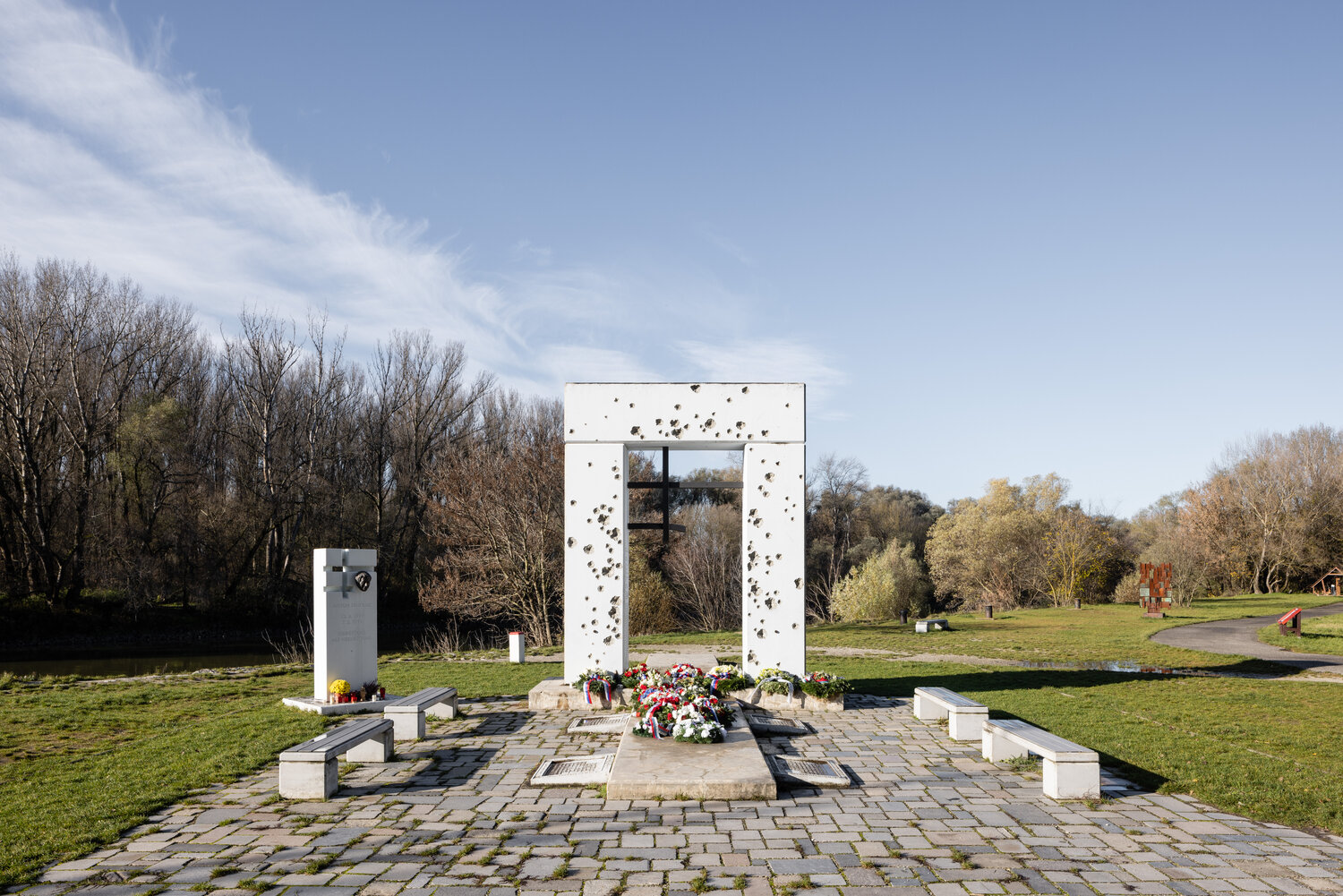
The memorial is located near Freedom Cycle Bridge in the border zone along the Morava River. During the socialist era, electrified barbed wire fencing secured this area, and there were barricades and border guard observation posts.
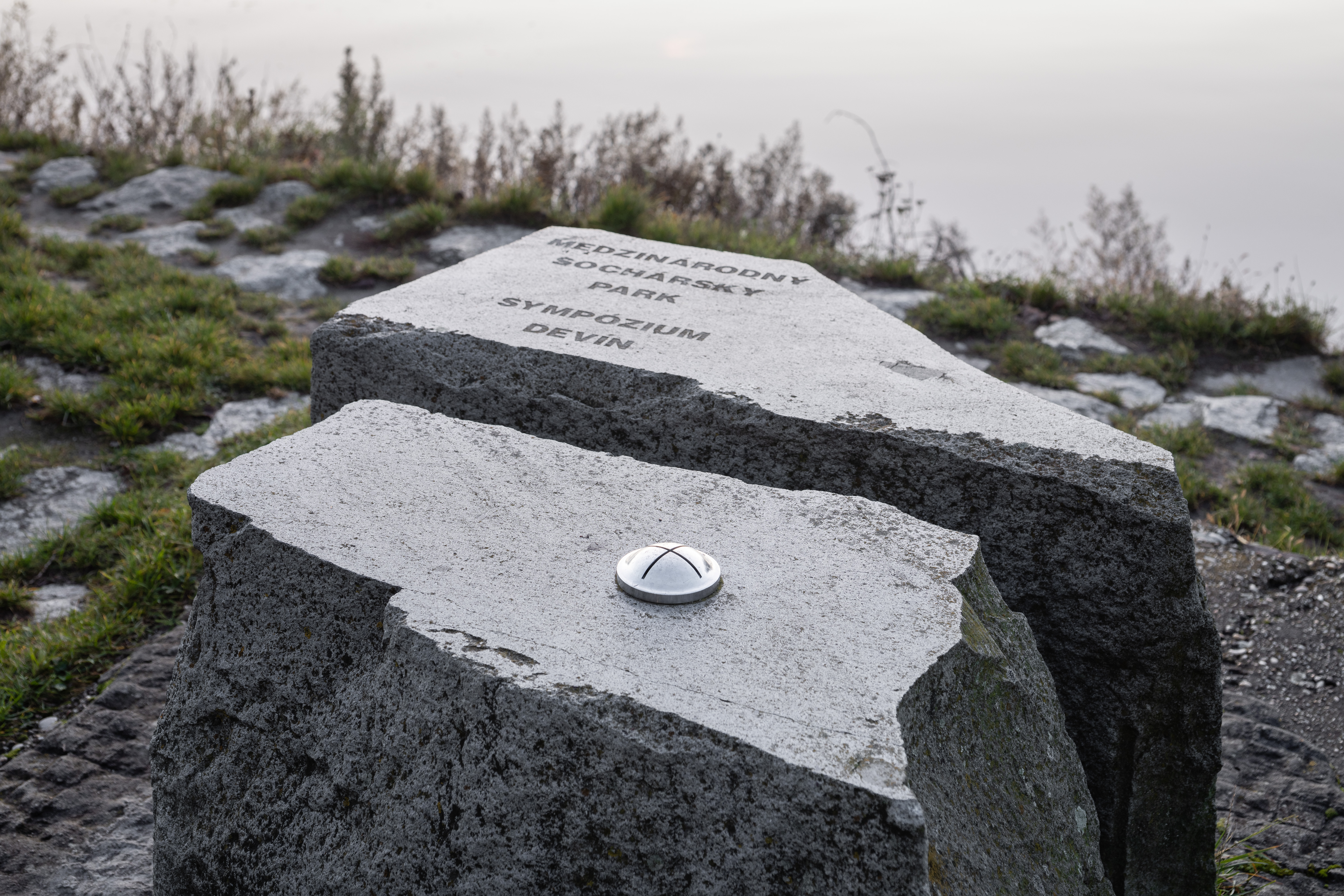
The work is formed of a large slab of two shades of stone separated by an irregularly shaped break. The artist's creative concept is based on historical facts from the period when the Morava River was a physical border separating two worlds. The dark granite slab symbolises an unfree world, while the lighter part represents a dream world of freedom. The shape of the break line mirrors the meander of the Morava River.
The black section bears the names of 42 victims who did not survive their attempt to cross the border, together with brief notes about the dates and circumstances of their deaths. The National Memory Institute contributed content for the texts.
The stone plaque rests inclined on a welded iron base. Its lateral edge bears an inscription with information about the initiators, artist, and executors of the work. Its front edge has been left with indentations – traces of broken stone.
The memorial stands on the extensive grounds of the Iron Curtain Museum. It was implemented as part of a joint project between Slovakia and Austria named Behind the Bridge, preparations for which took place at international level in cooperation with local governments, scientific institutions, the Confederation of Political Prisoners, and other participants. The memorial was unveiled on 14 November 2013 at the end of the international conference The Iron Curtain and Revitalisation of Defence Bunkers Along the Morava River.
Research status as of 15. 11. 2022.
ZD