The Austrian artist Erwin Schwentner is best known for his genre-based ceramic figurines characterised by humorous elements and exaggeration. In this spirit, he created a work for Bratislava’s city pavement that comprises eight individual bronze tiles arranged as four rows of two. Each tile features the name and an image of the half-open mouth of a figure from the American entertainment industry.
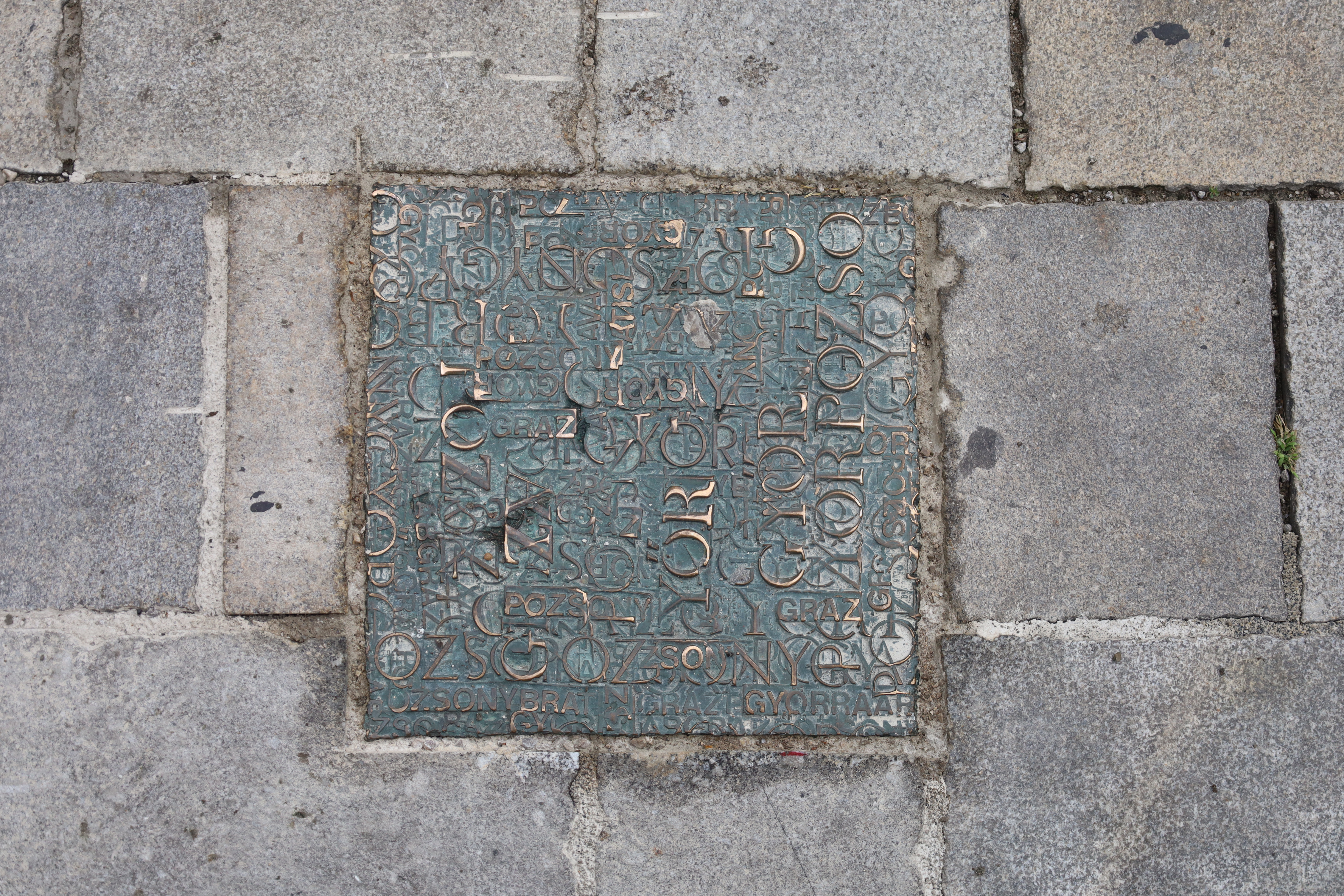
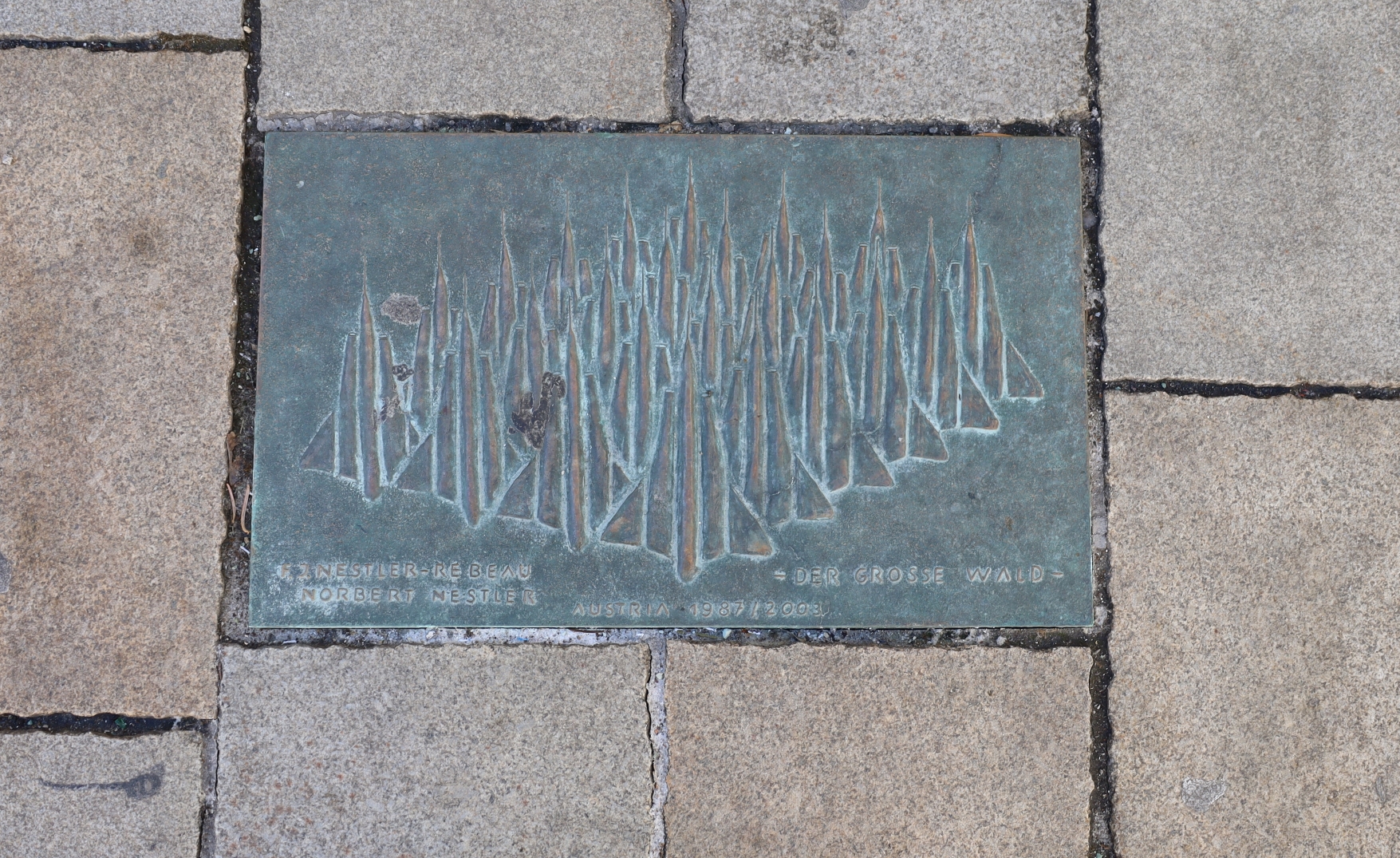
The tiles were created in 2003 for the symposium Tribute to Central Europe IV (Tiles as a Symbol of a Crossroads). This edition of the event was expanded to include the cities of Graz and Győr. Three artists from each city were invited to create a plaster model for the project. Three bronze casts were made of each model, and were then installed in the pavements of the participating cities: Bratislava, Győr, and Graz. The central aim of expanding the project to include partner cities was the strengthening of Slovakia’s international cooperation with neighbouring countries.
The original concept for this event dates from the 1980s. As part of the series Archaeological Monuments and the Present, an exhibition on the theme of ‘crossroads’ was held in 1987, organised by the archaeologist and cultural manager Ladislav Snopko. As one element of the project, he invited sculptors to create a Bratislava-themed tile, which would then be incorporated into the city’s pavement at the end of the exhibition. In the assignment, he emphasised that they should base their work on their own free creative will. The central theme of the exhibition was the yearning for a free Bratislava as part of Europe during a time of totalitarianism. The exhibition inspired many of the “unofficial” artists who participated; at the time they were prohibited from displaying their work publicly. The exhibition itself took place, but subsequent installation of the works was not carried out.
This was only implemented in 2000 when the project concept was revived by Ivan Jančár, then director of the Bratislava City Gallery, in collaboration with Ladislav Snopko. In the context of the country’s foreign policy direction of the time, and with ongoing debates around Slovakia’s entry into the European Union, the topic of the original project gained renewed relevance. The tiles would serve as a lasting symbolic reminder of Bratislava’s openness toward Europe. Every year on Europe Day, new works were to be unveiled in the pavement.
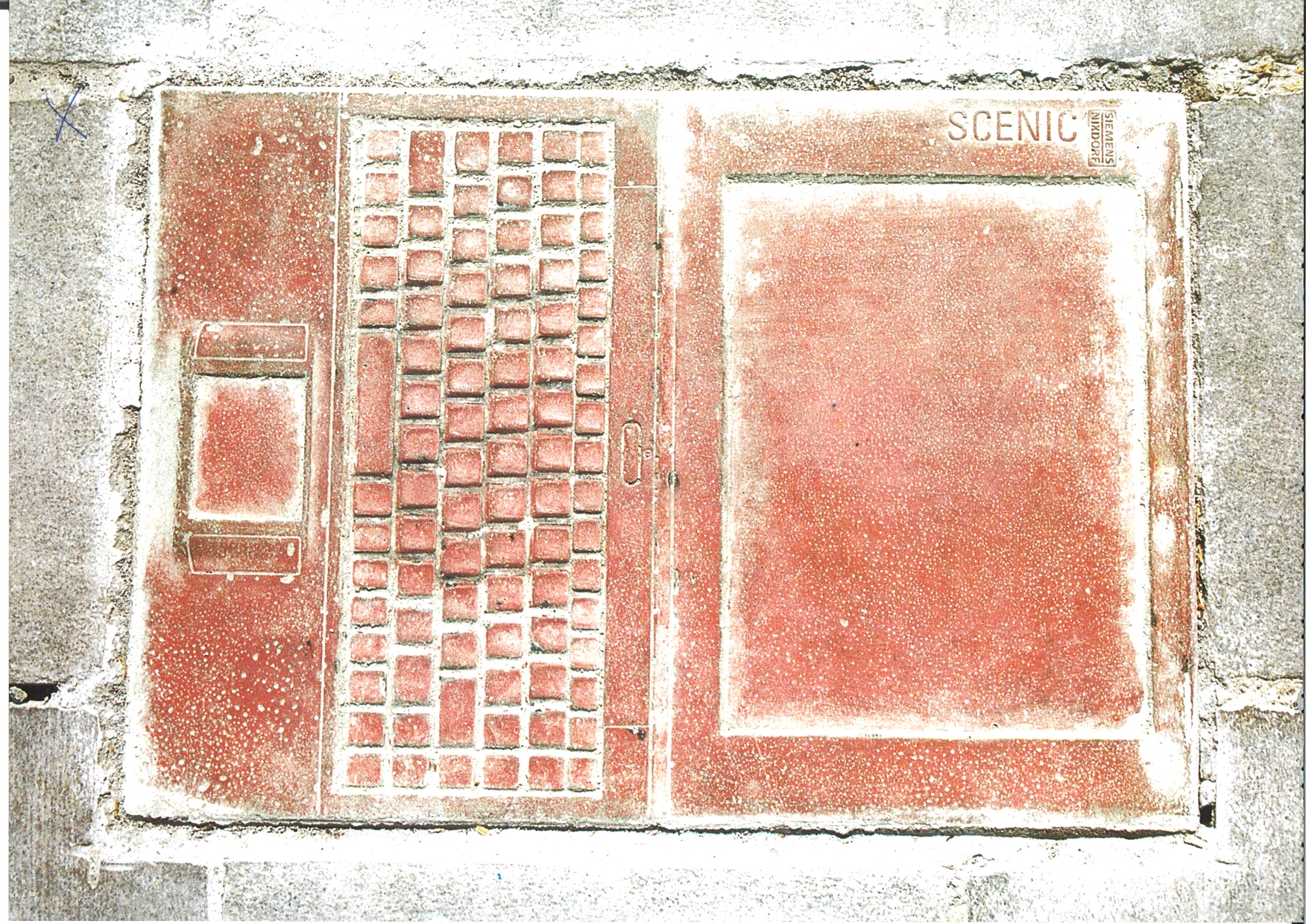
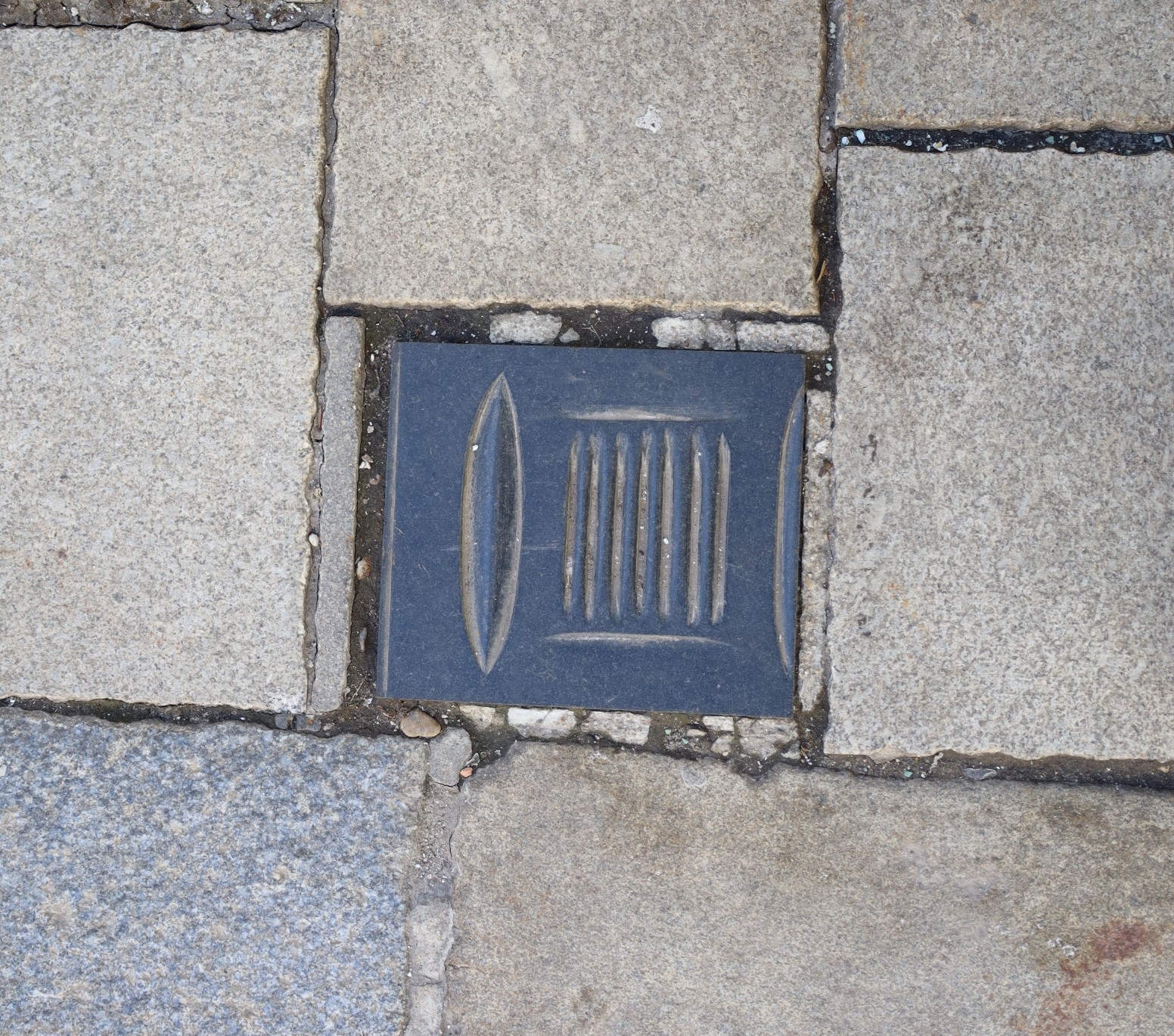
Over the course of four years, thirty-one pieces have been embedded into the pavement. They stretch from the entrance gates of Mirbach Palace, headquarters of the GMB, all the way to the Woman with a Pitcher fountain, forming a large outdoor gallery on the street in front of the GMB, the main initiator of the project. It was originally planned that the works would extend to the Pálffy Palace on Panská Street, which also houses the GMB.
Although the works were installed within the pedestrian zone, many were destroyed by passing vehicles, and each day cars park on the ones that have survived. Originally, all works bore a gilded label with the artist’s name. Most of these labels have not been preserved.
NB
Research status as of 24. 06. 2025.